Non Destructive Testing
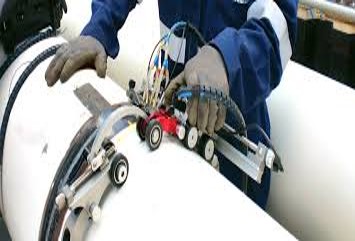
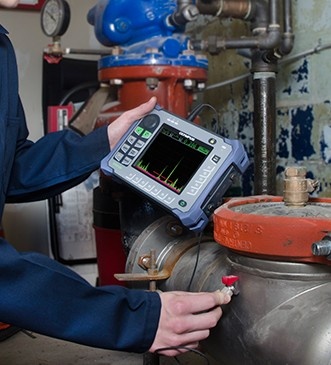
Non-Destructive Testing (NDT), also called Non-Destructive Evaluation (NDE), is the use of noninvasive techniques to determine the integrity of a material, component or structure or quantitatively measure some characteristic of an object, i.e., inspect or measure without doing harm. It plays a vital role across industries by helping ensure safety, reliability, and compliance while minimizing downtime and avoiding unnecessary harm to valuable assets. From manufacturing plants and refineries to aerospace facilities and infrastructure projects, NDT helps organizations maintain operational efficiency while protecting critical equipment and systems.
There are different types of NDT techniques used in the industry for analysis, each suited to specific materials, conditions, and inspection goals. By selecting the appropriate method, inspectors can accurately evaluate materials, components, and systems while preserving their usability and structural integrity throughout the inspection process. NDT is especially valuable for identifying hidden flaws, monitoring wear, verifying weld quality, and assessing corrosion before issues escalate into costly failures or safety risks. It also supports better maintenance planning, improved asset management, and informed decision-making for facility operators and engineering teams.
Common NDT methods are widely used in manufacturing, energy, transportation, aerospace, construction, and other industries where safety and performance are critical. Each testing method offers unique advantages depending on the material being inspected, the type of defect being evaluated, and the specific application requirements.
- UT = Ultrasonic Testing
- ET = Eddy Current Testing
- RT = Radiographic Testing
- MT = Magnetic Particle Testing
- PT = Penetrant Testing
- VT = Visual Testing
These methods allow inspectors to examine internal and surface conditions without dismantling equipment or interrupting operations unnecessarily. This makes NDT an essential part of preventive maintenance, quality assurance, and regulatory compliance programs across a wide range of industries. By detecting defects early, organizations can reduce repair costs, avoid unexpected failures, and improve the long-term reliability of critical infrastructure, machinery, and production systems. In many cases, NDT also helps extend equipment lifespan, optimize maintenance schedules, and support safer working environments.
UT Applications
- Lamination scans
- Crack detection
- Weld Inspection
- Corrosion Monitoring
- Inspection of pressure vessels and storage tanks
ET Applications
- Tube inspection
- Corrosion monitoring
- Heat treat verification
- Thin material thickness
- Coating thickness
- Surface-breaking cracks
- Material conductivity assessment
Hardness Testing Applications
- Examining Material Properties
- Measuring Wear Resistance
- Damage Assessment
RT Applications
- Weld Inspection
- Product Inspection
- Pipelines
By leveraging the right NDT methods, organizations can enhance asset reliability, maintain compliance, and ensure the long-term safety and performance of their critical operations. Whether used for routine maintenance, quality assurance, or failure prevention, NDT remains an indispensable tool for protecting infrastructure, optimizing productivity, and supporting informed operational decisions. Its ability to deliver accurate, actionable insights without causing damage makes it a cost-effective and highly valuable solution for industries that depend on the integrity, safety, and performance of their equipment, components, and structural assets.