Positive Material Identification
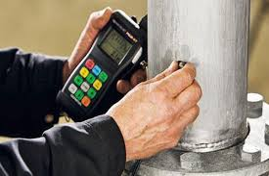
Positive Material Identification (PMI) is a quick, non-destructive analysis technique to determine the composition of material, especially alloys and crystalline structures. It is commonly used to verify that the correct materials have been installed, fabricated, or supplied for a specific application. PMI plays a critical role in quality assurance, safety, and regulatory compliance, especially in industries where material accuracy is essential to performance and reliability.
There are three primary Positive Material Identification techniques used to measure and identify the elemental composition of materials. Each method offers distinct advantages depending on the application, material type, and level of analysis required. By accurately identifying alloy grades and elemental makeup, PMI helps prevent material mix-ups, supports traceability, and reduces the risk of component failure. It also helps organizations meet stringent industry standards and maintain confidence in the integrity of their materials and components.
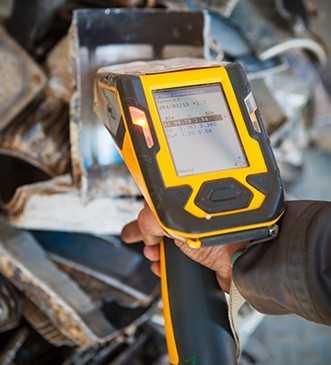
- X-Ray Fluorescence (XRF) is a PMI technique in which chemical composition is determined by using high-energy radiation, such as X-rays or gamma rays. When radiation is directed at the material, it causes the atoms within the sample to emit secondary fluorescent X-rays. These emissions are then measured and analyzed to determine the elemental composition of the material. XRF is widely used for rapid alloy identification and is especially effective for detecting a broad range of metallic elements.
XRF Analyzer
- Thermo Niton XL2 980 gold
- OLYMPUS DELTA PROFESSIONAL
Optical Emission Spectrometry (OES)
Optical Emission Spectrometry works in a similar manner but uses electrical energy to create a spark on the material’s surface. This spark excites the atoms, causing them to emit light at characteristic wavelengths. OES is particularly effective for analyzing light elements, especially carbon, making it ideal for distinguishing between similar alloy grades and verifying carbon content in metals.
- PMI Smart
Laser-Induced Breakdown Spectroscopy (LIBS)
LIBS uses a highly focused laser pulse to create a microplasma on the surface of the material. As the plasma cools, it emits light that is analyzed to determine elemental composition. LIBS offers fast results, minimal surface preparation, and excellent detection of light elements, making it a valuable tool for advanced material verification.
- Apollo
- SciAps
PMI Applications
- Material verification/Identification
- Chemical composition
- Soil Analysis
- Alloy Analysis
- Lead paint Analysis
- Carbon content
Positive Material Identification is widely used in industries such as oil and gas, aerospace, power generation, manufacturing, and construction. By ensuring material accuracy and compliance, Positive Material Identification helps organizations maintain product quality, improve safety, and avoid costly errors related to material misidentification. It also supports asset integrity programs, enhances operational reliability, and provides documented verification for quality control, audits, and regulatory inspections. This makes Positive Material Identification an essential tool for maintaining consistency, reducing risk, and ensuring long-term performance across critical industrial operations and applications.