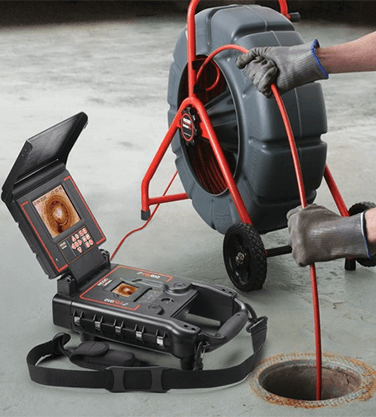
Remote Visual Inspections
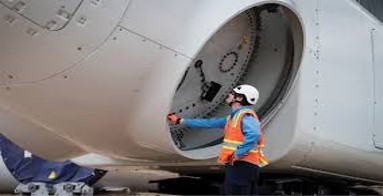
Remote Visual Inspection (RVI) is an inspection technique that uses various tools and technology that allow inspectors to remotely examine the likes of equipment and structures such as pipelines, large vessels, sewer lines, air ducts, reactors, etc. With RVI, the inspectors can easily take a look at the required areas from a distance without getting themselves in harm’s way, especially in narrow and confined spaces that may have a hazardous environment. This advanced inspection method helps improve safety, reduce downtime, and provide accurate visual assessments without the need for costly disassembly or direct human entry. It is an efficient solution for evaluating hard-to-access assets while maintaining operational continuity and minimizing workplace risk.
Remote Visual Inspections are widely used across industrial, municipal, and commercial sectors where regular inspections are essential for maintaining system performance and reliability. By enabling early detection of corrosion, blockages, cracks, wear, or other visible defects, RVI helps organizations address issues before they lead to equipment failure, service interruptions, or expensive repairs.
It also supports preventive maintenance programs, asset integrity initiatives, and regulatory compliance efforts. In many cases, RVI serves as a first-line diagnostic tool, allowing maintenance teams to quickly assess conditions and prioritize corrective actions based on real-time visual data. This proactive approach helps reduce unplanned outages, optimize maintenance budgets, and improve overall asset management strategies. It also provides valuable documentation that can be used for inspections, audits, insurance requirements, and long-term equipment performance tracking.
RVI Equipment
Videoscopes / Borescopes
- OLYMPUS IPLEX
Push Cameras
- Pearpoint P542
- Wohler VIS & 350
- RIDGID SEESNAKE
Crawlers / Tractors
- Pearpoint 550
- Inuktun VT150
Thermal Camera
- Flir
RVI Applications
- Sewer and storm drains inspections
- Hydroelectric pipe and infrastructure
- Tanks and pressure vessels
- Oil & Gas refineries and pipelines
- Railroad tank cars
- Steam headers
- Pulp and paper
Crawlers are preferred for applications with pipes that are 6” in diameter or greater. Tractors or crawlers come equipped with a remotely operated camera mounted on a tethered robot that includes an integrated lighting system, allowing for clear, detailed inspections even in dark or difficult operating conditions. These systems can navigate long distances, tight bends, and complex pipe networks, delivering real-time video feedback to inspectors. This enables faster decision-making, more accurate defect identification, and comprehensive documentation for maintenance planning, repairs, and regulatory compliance.
In addition, recorded inspection footage can be archived for future reference, trend analysis, and condition monitoring, helping organizations make informed maintenance decisions and extend the service life of critical infrastructure. By reducing the need for confined space entry and manual inspections, RVI also enhances worker safety while improving the speed, accuracy, and cost-effectiveness of inspection programs across a wide range of demanding industrial and infrastructure applications. This ensures greater reliability, efficiency, and confidence in asset management.
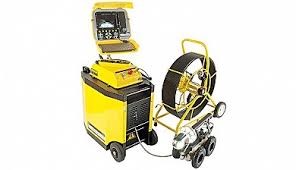
Crawlers are preferred for applications with Pipes that are 6” diameter or greater. Tractors or crawlers come equipped with a remotely operated camera, mounted on a tethered robot that includes a lighting system.